
Spooky Things Are Afoot in Algo Land..

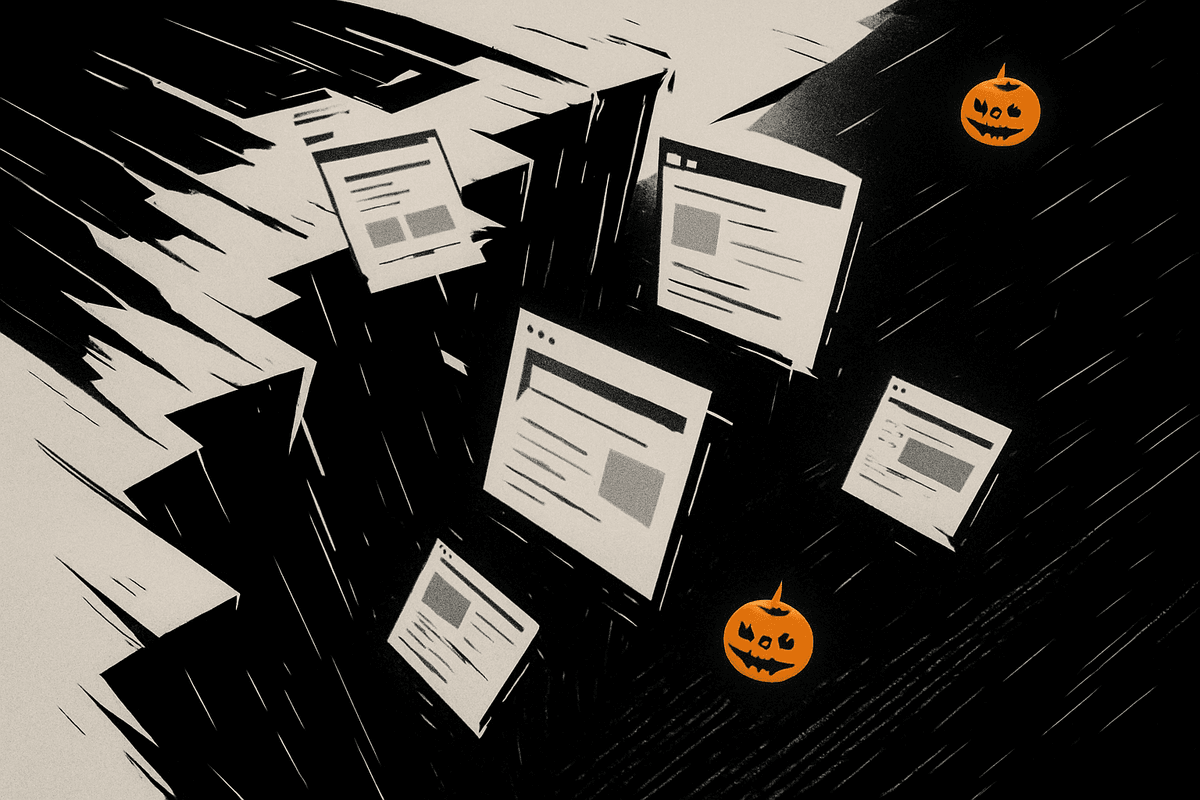
Your rankings dipped right as the pumpkins went on the porch, and it felt like a Halloween heist. Pages that held steady all month fell off a cliff, while random URLs leapt ahead. It is not your imagination, and you are not alone.
The chatter across SEO groups is loud, and the tools are starting to flicker. Let’s unpack what likely changed, why keyword drops hit around 28 October, and how you can respond today without panic.
First things first, you are not the only one who saw turbulence. Industry trackers flagged Google algorithm volatility spikes in late October, with patterns that look like a fresh ranking tweak rolling through multiple markets.
Key Takeaways
Ranking swings intensified around 28 October and stayed hot through Halloween.
SEOs reported big dips in UK and US traffic, with some snapping back the same day.
Previous blips this month hit around 7 to 8 October and 15 to 17 October.
Third-party tools are still recalibrating after Google removed 100 results per page.
Signals tied to titles, internal linking, brand mentions, and freshness likely shifted.
AI Overviews and news boxes can siphon clicks even when rankings hold.
Focus on diagnosis first, then ship small, reversible fixes.
The Halloween Heist
The timeline is pretty clear. Movement kicked up around 28 October, then grew into 31 October. Many saw sharp drops in the morning, odd recoveries by late morning, then another wobble by afternoon. That pattern screams staggered rollouts by data center and query class.
We have also seen this movie before. Earlier spikes landed 7 to 8 October and 15 to 17 October. Since Google turned off viewing 100 results per page, several tracking tools had to reset their models. Even so, experienced folks felt the shift without dashboards. One more quirk around 16 October hinted at testing in the wild before the bigger October 28 wave.
What We Are Seeing In The Wild
UK traffic down about 42 percent for some, holding low for hours, then snapping back at a precise time.
Weekend softness grew worse on Sunday, suggesting more than normal seasonality.
News publishers saw slow or odd updates in Top Stories. Some pieces showed in Discover for about an hour, then vanished.
Search Console was patchy for some users, so real-time ranking checks were tough.
Headline boxes sometimes surfaced older articles, while fresher, on-topic pieces lagged.
Smaller sites felt overshadowed with the rise of AI overviews , with big publishers more visible.
US and UK traffic drops reversed at the same minute on some sites, hinting at coordinated pushes.
Why Rankings Flutter During Quiet Launches
Google rarely presses a giant red button. Think of it like traffic lights across a city. Signals shift intersection by intersection, then adjust again as congestion changes. During those hours, your route may be slower or faster for reasons that have nothing to do with your driving.
Google shifts their ranking signals constantly throughout the year, but "safe driving" is always the key effort. With SEO, quality content, links, and brand authority are the core concepts to keep.
We also see query class tests in the ranking algorithm as well. Head terms get one setting, local queries another, news yet another. If you serve multiple query types, you may feel the change more than a niche site.
Then there is the dampening period, where Google tries to reduce overreactions. That is why you get a dip, a snap back, then a wobble.
Signals Likely Touched
Based on patterns and past updates, a few signals probably moved a notch.
Titles and their match to intent look important again. Entity and brand confidence matter, especially if AI features rewrite your snippet or reshape the SERP.
Mentions off-site help Google confirm your authority, which is why brand mentions have more value in AI search and more than most people give them credit for.
Internal linking matters when Google reevaluates site structure. If crawlers need to rediscover your best answers fast, thin or outdated internal links can hold you back.
For news and timely topics, freshness decay may have sped up, so old pieces that once stuck might now fade sooner.
How Titles Are Scored And Ranked
The quality and clarity of your page title can punch above its weight during volatile weeks. If your title drifts from the main intent or reads like fluff, your click-through rate and relevance signals can both slip.
The recent industry deep dive on how titles are scored and ranked is a handy reminder. Align your title with the main task a searcher wants to complete, and avoid vague pitch language.
Practical Checks To Run This Week
Before you change anything, measure. Note the dates and the hours where traffic dropped and where it snapped back. Chart by country and device.
If the dip is concentrated in one market, you may be looking at a data centre cadence, not a site-wide issue.
Compare traffic by query intent. Did commercial pages dip but informational guides hold steady? Did freshness-sensitive posts drop while evergreen stayed stable?
Pull Search Console queries for the affected pages, then map them to the SERP features that now appear. If an AI panel or Top Stories gained space, your clicks can fall even if rank did not.
Now tighten your structure. Run a quick pass with a free internal link scanner and fix orphan or underlinked pages. Then route authority with an Internal Link Optimizer so your best answers get clear, contextual links from related hubs.
If Traffic Drops Or Snaps Back: What To Do
Observed Symptom | What It Likely Means | Action To Take |
|---|---|---|
Morning drop, late morning rebound | Staggered rollout across data centers | Annotate analytics, avoid big edits for 48 hours |
Big dip in UK and US only | Geo-specific tuning in play | Check country reports, compare competitor movements |
News posts vanish from Discover fast | Freshness decay or source reshuffle | Update headlines, strengthen topical hub links |
Clicks down, positions steady | New SERP features taking space | Target featured snippets, refine titles to earn the click |
Older guides fall for head terms | Intent shifted or content looks dated | Add current examples, clarify task-first headings |
Scenario Walkthroughs
Small Publisher With UK Skew
You saw a 40 percent drop in the UK at 10 a.m., then a bounce around lunch. That looks like the rollout clock, not a penalty.
Patch the basics: ensure your top five UK pages are well linked from category hubs, freshen intros, and improve titles to match the exact tasks your readers search for. Give it a few days before deeper changes.
Ecommerce Category Lost Ground
Traffic dipped on high-intent head terms, but long-tail pages held. The SERP may have shifted to more guides or buying advice.
Add a short comparison section near the top of the category page, tighten specs, and link to three strong how-to guides. That satisfies mixed intent without spinning up thin pages.
News Site With Short Discover Window
Your article hits Discover for an hour, then fades. Add a brief update block within 30 minutes with a timestamp and one new fact. Link it from your live blog or topic hub.
That little freshness nudge and stronger internal path often extend visibility without rewriting the full piece.
Diagnose Before You Fix
It is tempting to rewrite everything. Resist. First, isolate which query classes dropped. Second, review SERP changes on those queries today.
Third, compare your title and intro against the top results for task match. If your page does not answer the first job to be done in the first screen, fix that before anything else.
Next, trace authority flow. Pages that used to rank often accumulate stale internal links from old content. Refresh those links so they use precise anchor text and come from current pages that searchers actually visit.
Content And Titles That Match Intent
During updates, Google often tightens intent matching. That means your title should read like the exact answer to the searcher’s job. Avoid adding brand words at the front or vague marketing phrases.
Lead with the task, then add the hook. For example, instead of “Our Guide To Winter Running Shoes,” try “Best Winter Running Shoes For Ice And Slush.” Short, clear, job-first.
Speed, Freshness, And Crawl Paths
If algorithms emphasise freshness for a topic, your update cadence matters. You do not need to publish hourly, but you should make important updates easy to find.
Link new pieces from a topic hub, and link back up from the article. That two-way path helps crawlers find and evaluate changes fast.
The Human Check
Pull up your affected page on a phone. Does the first screen show a clear answer, scannable subheads, and a call to the next step?
If not, add one sentence that tells the reader exactly what they will get, then show it fast. Little things like that win clicks back when the SERP is crowded.
When Tools Lag, Use Common-Sense Signals
Sometimes Search Console lags or has outages. That does not mean you have to guess. Watch server logs for crawl frequency, check referral patterns in analytics, and compare by device and country.
If mobile traffic shifted more than desktop, test your page speed and Core Web Vitals. Small wins stack during choppy weeks.
Momentum Over Panic
Updates create noise. The trick is staying consistent on the inputs that always pay off: titles that match intent, content that solves the job, clean internal links, and brand signals across the web. If you hold those lines, volatility hurts less and recoveries come faster.
Your One-Week Action Plan
Annotate the dip dates and hours in analytics for UK and US separately.
List the five pages with the biggest traffic changes and capture today’s SERP layout for each.
Rewrite titles to match the top user job and tighten intros to deliver value in the first screen.
Refresh internal links using your hub pages and recent articles as sources.
Ship one new or updated guide that answers a rising question you see in the wild.
Watch for snap backs before making structural overhauls.
As the forums note, the heat stayed on through 31 October and may simmer for a few more days. If you keep your changes small, focused, and measurable, you will learn faster and recover more of those lost clicks.
Want a second set of eyes on your titles, internal linking, or SERP changes this week? Reach out and we will review your top pages, share quick wins, and help you ride out the Halloween heist with a steadier hand.