
Getting Attention is Hard..

Your brand works hard, but AI summaries keep citing everyone else. It is frustrating to watch traffic soften while AI overviews name competitors who say the same things you do. The good news is this is not random. AI systems use signals you can influence. With the right set of steps, you can become a reliable source and start earning those mentions.
If you want a quick primer on why this matters, learn how brand mentions have more value in AI search and why they now influence visibility beyond classic blue links.
Key Takeaways
AI mentions reward clear entities, strong topical authority, and clean technical signals.
Write concise, answer-first content that tools can quote without heavy editing.
Use schema for Organisation, Product, FAQPage, HowTo, and Author to boost machine understanding.
Titles matter for machines as much as humans. Structure them with clarity and intent.
Build credible mentions across the web to support your company entity.
Tidy internal links to map topics and connect related entities on your site.
Track AI impressions and iterate. What gets measured gets improved.
Expect traffic to shift as AI summaries satisfy some queries. Aim to be the cited source.
Why AI Mentions Matter For Companies
AI overviews and assistants pull answers, then attribute sources that are clear, consistent, and trusted. If your content is vague or hard to parse, the system will choose a simpler source. Companies need to act like data providers, not just storytellers.
Think of AI systems like careful note takers. They quote concise lines, verify with multiple sources, and favour brands with consistent facts across the web. Your job is to make your answers easy to lift, check, and credit.
Best AI Set Tips For Getting Onto AI Mentions
Nail Entity Fundamentals: Company, People, Products

AI tools start with entities. Define your company, products, and key people in a way machines can map. Use Organisation, Product, and Person schema. Align names, addresses, and descriptions across your site, socials, and major listings. Even small mismatches can weaken confidence.
Create a clean About page that states what you do, who you serve, and why you are credible. Add executive bios with roles, expertise, and links to authored content. Publish product pages with precise specs, pricing logic, and comparisons. Consistent facts train systems to trust and cite you.
Build Topic Authority With Content Clusters
AI mentions often go to sites that own a topic, not just a single blog post. Build clusters: a pillar page that answers the core query, plus supporting articles that tackle subtopics, FAQs, and practical scenarios. Interlink them in plain language.
Use the Topic Finder to map subtopics, questions, and gaps your competitors ignore. Cover how-to steps, pricing choices, common mistakes, and pros and cons. When you become the most complete source, you become the safest citation.
Optimise Titles That Machines Understand
Titles teach both humans and machines what the page does. Avoid cute phrases that hide the intent. Lead with the main entity or task, then add a useful qualifier. For example: “Payroll Software Setup Guide for UK Startups” beats “Get Paid Faster Today!” for clarity and citations.
For deeper guidance, see what we learned from how titles are secretly scored and ranked. Patterned, descriptive titles help AI models select and summarise your page correctly.
Structure Answers For Summaries
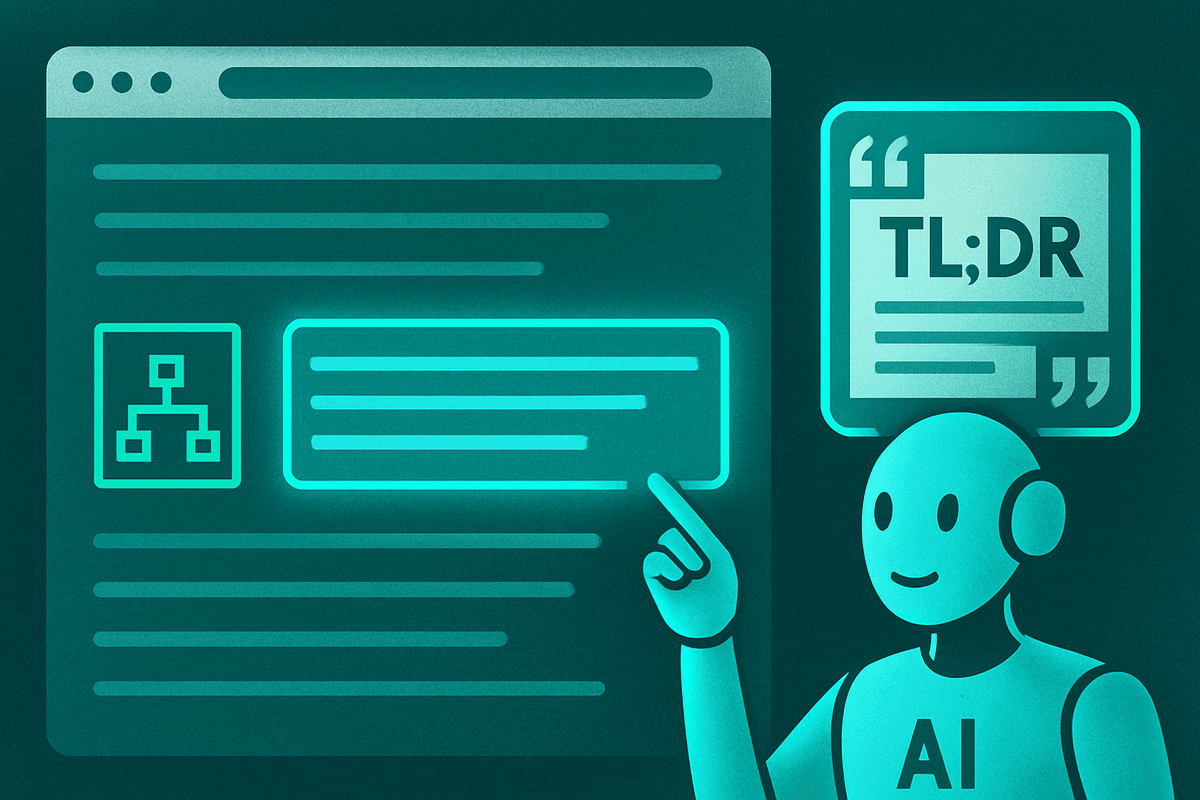
Write answer-first. Open with the direct response in one or two sentences. Then give the steps, examples, and evidence. Use short paragraphs and scannable lists. Add an on-page TL;DR block that a model can quote in seconds.
Mark up FAQs with FAQPage schema. Add HowTo schema for step-by-step tasks. Use clear labels for metrics, dates, and thresholds. Think of your page as a toolkit a model can lift from without guessing the context.
Earn Credible Mentions Across The Web
AI systems cross-check. They look for your brand and product names repeated on reputable sites. Plan digital PR that anchors your entity: industry reports, partnerships, conference talks, quotes in trade press, and research summaries. Fewer high-quality mentions beat many weak ones.
Keep a press page that lists your coverage and links back to the cited assets. This not only helps journalists but also gives machines an easy path to verify your authority trail.
Technical Signals That Train AI Overviews
Fast pages, clean HTML, and consistent schema make extraction easier. Ensure all key pages are indexable, canonicalised, and present in your XML sitemaps. Keep lastmod dates accurate to show freshness. Use descriptive alt text for charts, tables, and key visuals.
Do not block AI assistants if you want to appear. Make sure your robots rules allow crawling, and that your content is accessible without scripts. Simple pages tend to be quoted more often because they are easier to parse.
Internal Links That Map Your Entities
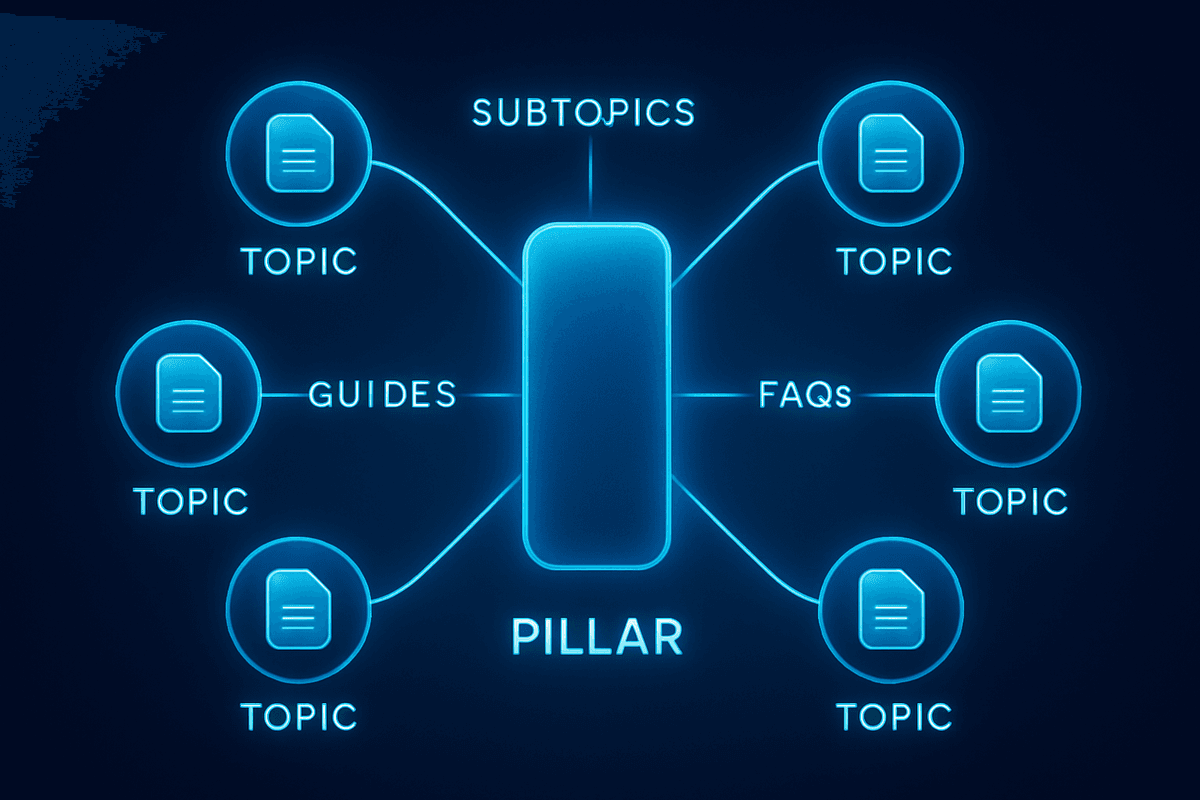
Internal links act like signposts. Use them to connect your brand story, product specs, pricing, comparisons, and support content. Keep anchor text descriptive and natural. This helps models follow the thread of your topic and choose the best page to cite.
If you prefer a guided approach, use the Internal Link Optimizer to surface missed connections and improve your topical graph.
Measure And Iterate For AI Surfaces
Tracking matters. Watch AI impressions, queries, and pages that earn citations. Look for gaps where you are close but not picked. Close those gaps with clearer answers, stronger titles, and better schema.
To get started, read how Google Search Console adds AI mode metrics and use that data to prioritise fixes that unlock mentions.
Expect Clicks To Shift And Plan For It
Some queries will be answered in the overview. That is normal. Target queries where users still need detail, tools, or decisions that require clicking through. Offer calculators, detailed comparisons, and practical templates that summaries cannot replace.
If you are seeing softer traffic, you are not alone. Here is why many are noticing site clicks dropping with the rise of AI Overviews and what to do about it next.
Practical Comparison: What Helps You Get Cited
Tactic | What AI Uses It For | How To Implement |
|---|---|---|
Answer-First Paragraph | Direct quote for summaries | Open pages with a 1 to 2 sentence clear answer |
Entity Schema | Disambiguates your brand and products | Add Organisation, Product, Person, and Author markup |
Descriptive Titles | Intent detection and ranking | Lead with task or entity, avoid vague slogans |
External Mentions | Cross-source verification | Earn PR in trade press and authoritative directories |
Internal Linking | Topical graph and page selection | Connect clusters with natural, specific anchors |
Real-World Scenarios And How To Win
Scenario 1: Product Comparisons
A buyer searches for “best small business payroll vs contractor payout”. AI surfaces a short comparison and cites pages that offer balanced, structured pros and cons. To get cited, publish a comparison that lists use cases, pricing triggers, and where each tool fits. Keep it neutral and helpful.
Analogy time: imagine the AI is a friend planning dinner. If your guide is a clear, honest menu with prices and ingredients, your friend will read it out loud to the group.
Scenario 2: How-To Setup Guides
A user asks for “how to set up payroll software in the UK”. The assistant wants steps, requirements, forms, and timing. Use HowTo schema, break steps into short actions, and include links to official forms. Add a TL;DR and a checklist people can save.
Scenario 3: Pricing And ROI
Searches like “is X worth it for a 20-person team” need simple math. Provide a calculator or a worked example with assumptions. Models love concrete numbers and clear thresholds. When you show your work, you become quotable.
A Short, Scan-Friendly Checklist
State the answer first, then expand with steps and examples.
Add Organisation, Product, Person, FAQPage, and HowTo schema where relevant.
Use descriptive titles and H2s that match search intent.
Build clusters and interlink with natural, specific anchors.
Earn high-quality brand mentions on trusted sites.
Keep pages fast, indexable, and easy to parse.
Track AI impressions, then tighten weak spots.
How Companies Get Into AI Searches, Step By Step
1. Define Your Entity Clearly
Set a canonical description for your company, products, and people. Repeat it on your About page, LinkedIn, and key profiles. Keep naming consistent. Consistency is confidence.
2. Target Questions AI Actually Answers
Pick problem-led topics with short, verifiable answers: definitions, steps, comparisons, and decision checklists. Build one strong pillar, then support it with subtopics, FAQs, and use cases. Each page should have one job.
3. Craft Quotable Blocks
Write 40 to 80 word blocks that stand alone. Imagine your line in a box at the top of a page. Use plain language, fewer adjectives, and concrete nouns. Cut filler so the quote survives intact.
4. Provide Evidence
Back claims with data, charts, screenshots, or short case studies. Cite sources when you can. Add dates so freshness is obvious. Models prefer current and supported statements.
5. Make Verification Easy
Include a references or resources section. Link to official docs, regulations, or standards. Use stable URLs and consistent naming so cross-checking is quick. You get cited when confirmation is simple.
6. Maintain Your Topical Graph
Link related pages with anchors that name the concept. Avoid generic “read more”. Build from overview to detail, and back again. This helps systems choose your most relevant page for each query.
7. Watch, Learn, Improve
Check your AI metrics weekly. Look for queries where you appear but do not get cited. Improve the opening answer, tighten titles, and add missing schema. Small changes often unlock mentions.
Handling The Human Side
Remember the reader at the centre. AI may summarise, but humans still decide. Keep a warm tone, speak plainly, and use examples that match real jobs to be done. If your page helps someone finish a task, AI will be happy to send them there.
Also, do not chase the algorithm at the cost of trust. Overly promotional content is easy to skip. Balanced, useful guidance tends to win the quote and the click.
Put It All Together
Think entity-first, answer-first, and evidence-first. Use clean structure, helpful schema, and honest comparisons. Build authority with clusters and credible mentions. Then measure and refine using the new AI reporting features in Search Console.
If your team wants a playbook and tooling, we are ready to help. Let’s map your entities, tighten your clusters, and earn the citations your work deserves.
Want to see where you stand today? Reach out, and we will review your current pages, surface your quickest wins, and help you start showing up in AI mentions with confidence.